
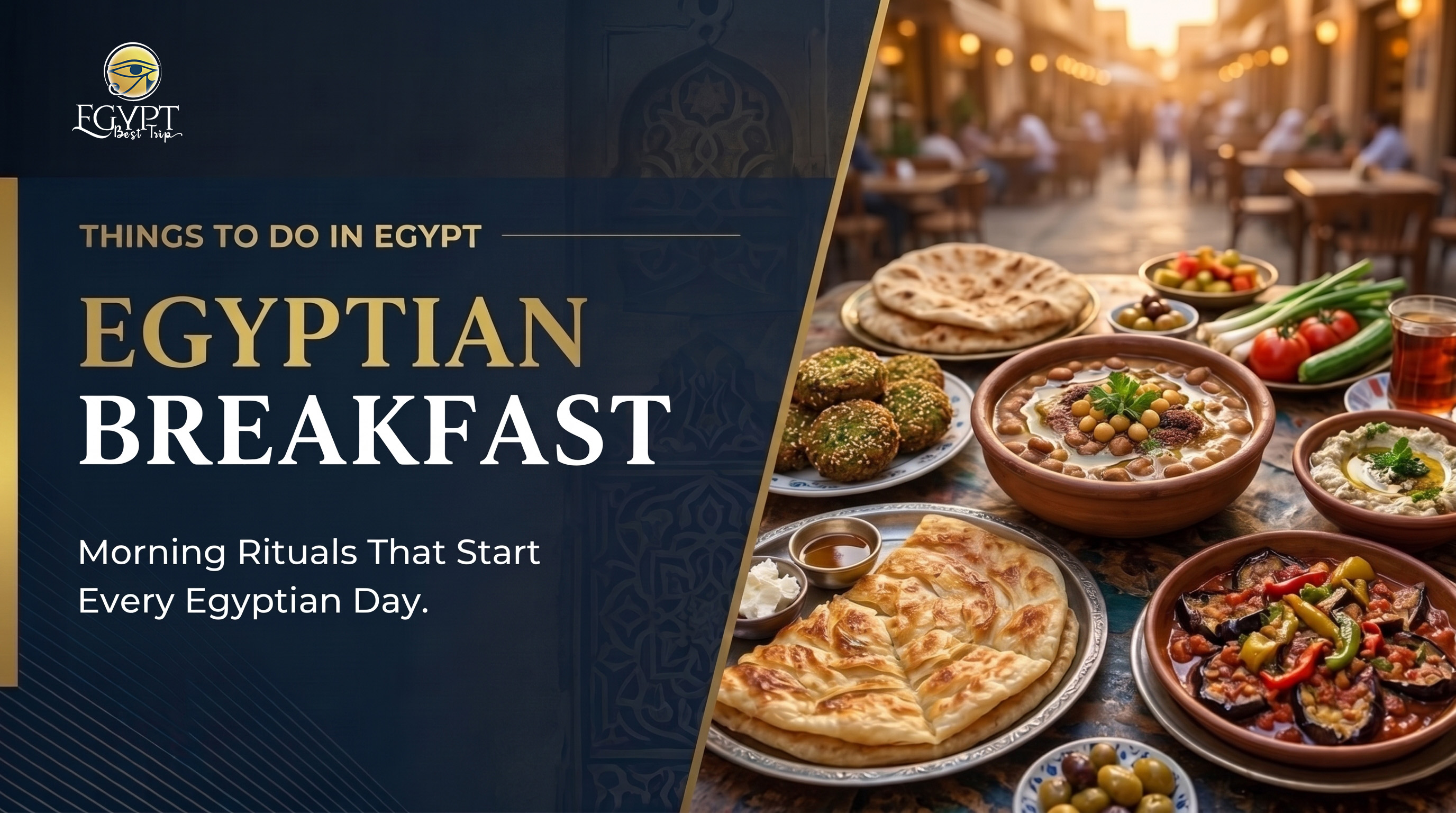
Sit down and I'll show you exactly what gets served to millions of Egyptians every morning.
Ful Medames (The bowl that has remained unchanged for thousands of years)
This is the most common meal Egyptians eat for breakfast. It's made by cooking fava beans gently until they fall apart into a lovely, creamy, earthy mixture. The ingredients for this are olive oil, lemon juice, cumin and crushed garlic. Sometimes some chilli too depending on your hosts generosity.
I love this meal because it's such an easy, no fuss meal. There is no recipe or cooking skills involved, you just cook it for a long amount of time and let it do its thing. You can find it sold by street vendors in massive cauldrons early in the morning, or made by home cooks who swear theirs is the best. Either way, you'll be fine.
Ta'ameya (Egyptian Falafel)
Now this is where things get interesting. Although ta'ameya looks like falafel, it isn't. Unlike Levantine falafel which is made with chickpeas, this is made using only fava beans making them a vibrant green colour inside and taste much fresher and herbacious.
They're served in pitta bread called aish baladi. They're packed with tomato, cucumber and tahini. They combine to create a beautiful mix of textures. Crunchy on the outside and fluffy inside. This is the meal I would recommend eating if you're only having one meal from this list.
Mesakaa
Although this meal may not be as world famous as hummus or falafel, this is a staple in Egyptian households. It's made with fried or roasted eggplant, green peppers and sometimes potato. All cooked in a tomato sauce with a lot of garlic. To give it a extra kick some vinegar is added.
Some versions include minced meat, others don't. Both are correct. This meal is best eaten the next day. Cold, straight from the fridge. Don't judge me.
Baba Ghanog
While technically a mezze meal, this is also eaten for breakfast in Egypt. It's made with roasted eggplant mixed with tahini, yoghurt, garlic, lemon and cumin.
It's best to eat this with some bread. Or just spread it onto some bread, or sneak some on your fork. There is always some form of eggplant season happening somewhere in the world so there is no excuse not to.
Feteer Meshaltet with Gebna & Asal
Now this is the part of the Egyptian breakfast that feels like a dessert but is completely acceptable to eat at 8am. This consists of a flaky pastry which is made by layering paper thin pastry with ghee. This creates a pastry that is extremely rich and crunchy. An Egyptian version of a croissant but much larger, flakier and meant to be torn.
This is usually served with gebna (white cheese, often salty and fresh) and asal (honey). Tear off a piece of the pastry and decide if you want to keep it savoury or sweet. Repeat until finished. There really is no wrong answer, just one more piece.
How To Eat This?
The Egyptian breakfast isn't a plate. It's a whole table! Everything goes in the middle. The ful goes in the bowl, ta'ameya goes on the plate, mesakaa goes in the dish, baba ghanog goes in the bowl and the bread goes in the basket. You'll grab some, scoop some and pass it around. Your tea will be topped up before you ask.
If you're travelling in Egypt, don't bother with the hotel breakfast. Instead look out for a local foul and ta'ameya place. They can be found everywhere. You'll learn why Egyptians are so passionate about their breakfast.
Which are you going to try first?
After seeing images of the pyramids and reading about the Nile, you'll be wondering what the Egyptians really eat to get them through their busy days of traffic, sun and haggling. The good news is that Egyptian breakfasts are simple, no frills but one of the most comforting, communal and tasty ways to start your morning.


